Navigating the First Calendar Week of 2027: A Practical Overview for Planners and Pros
Why Week 1 of 2027 Is More Than Just Another Date
Ever wonder why the first week of a year can feel like a puzzle? Well, 2027’s opening calendar week isn’t your average kickoff. It’s a quirky blend of how weeks roll over and how calendars decide what counts as “week one.”
Here, you’ll get a clear snapshot of the 2027 calendar’s debut week — what it means, why it matters, and how it impacts your scheduling strategies in 2026 and beyond.
📌 Quick Summary: Week 1 of 2027 starts on Monday, January 4th, according to ISO standards. It’s crucial for fiscal planning, project timelines, and personal goal setting as it sets the rhythm for the whole year.
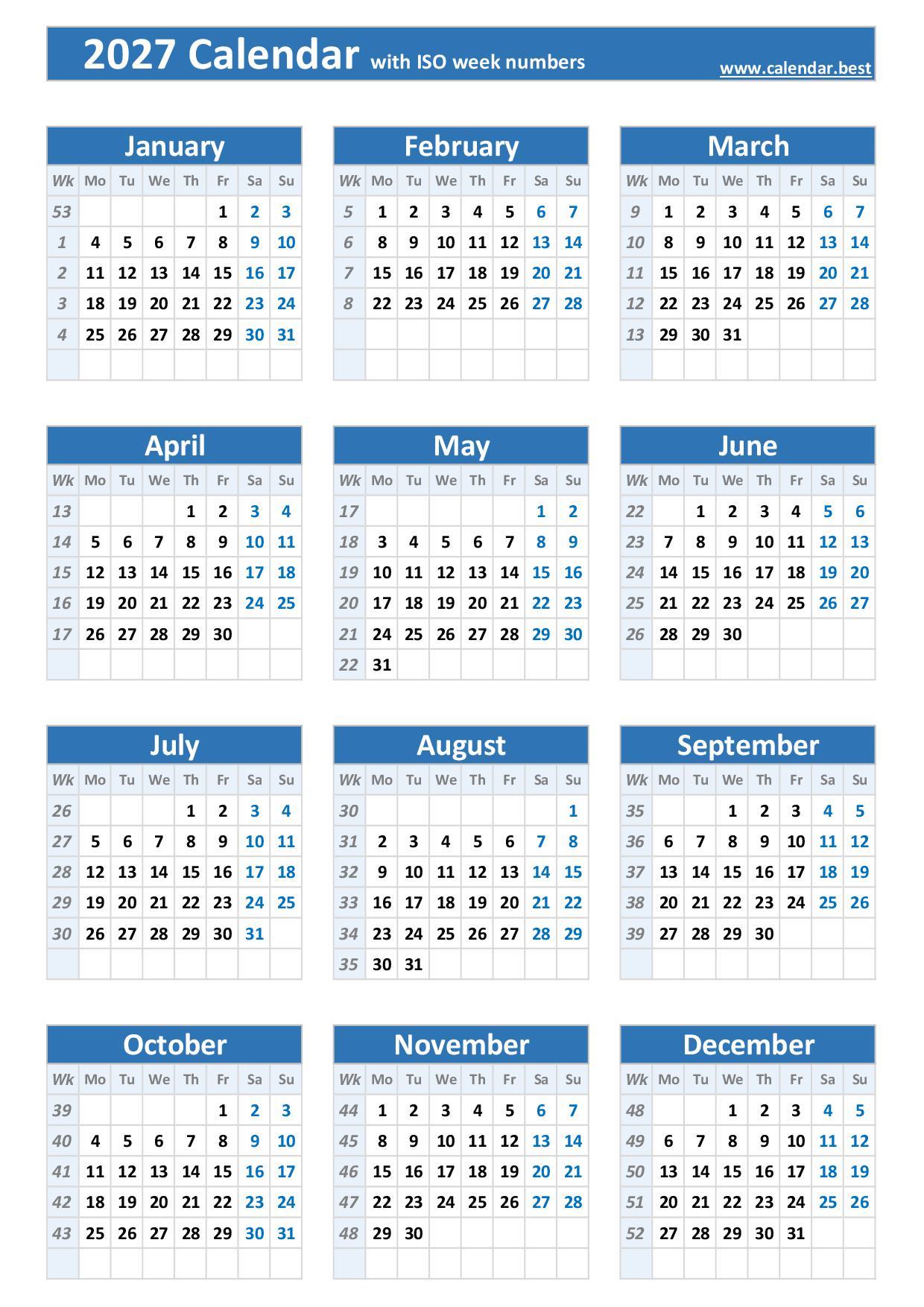
Breaking Down Week 1: What Dates and Days Are We Talking About?
Let’s cut to the chase. In 2027, the first calendar week officially kicks off on Monday, January 4th, and runs through Sunday, January 10th. This might throw you off if you were expecting it to start right on January 1st.
Why? Because the ISO 8601 standard, which most international businesses and governments follow, defines the first week of the year as the one containing the year's first Thursday. That’s a fancy way of saying the week with January 4th in it.
How Does This Affect Your Planning?
If you’re juggling timelines, think of this as the ‘launchpad week.’ Many companies use it to finalize Q1 plans or kick off new projects. Skipping over those first couple of days in January might seem trivial, but it can cause confusion if you’re syncing calendars across countries or teams.
What About Other Calendar Systems?
Not everyone plays by ISO rules. The US, for instance, often treats January 1st as the start of week one regardless of the weekday. So, if you’re coordinating with teams overseas, be ready for a slight calendar clash.

📑 Quick Facts About 2027’s First Calendar Week
- Week Number: 1 (ISO 8601 standard)
- Start Date: Monday, January 4, 2027
- End Date: Sunday, January 10, 2027
- First Thursday: January 7, 2027
- Year Starts On: Friday, January 1, 2027 (but outside Week 1)
These tidbits might seem dry, but they’re the backbone of any serious schedule-setting session.
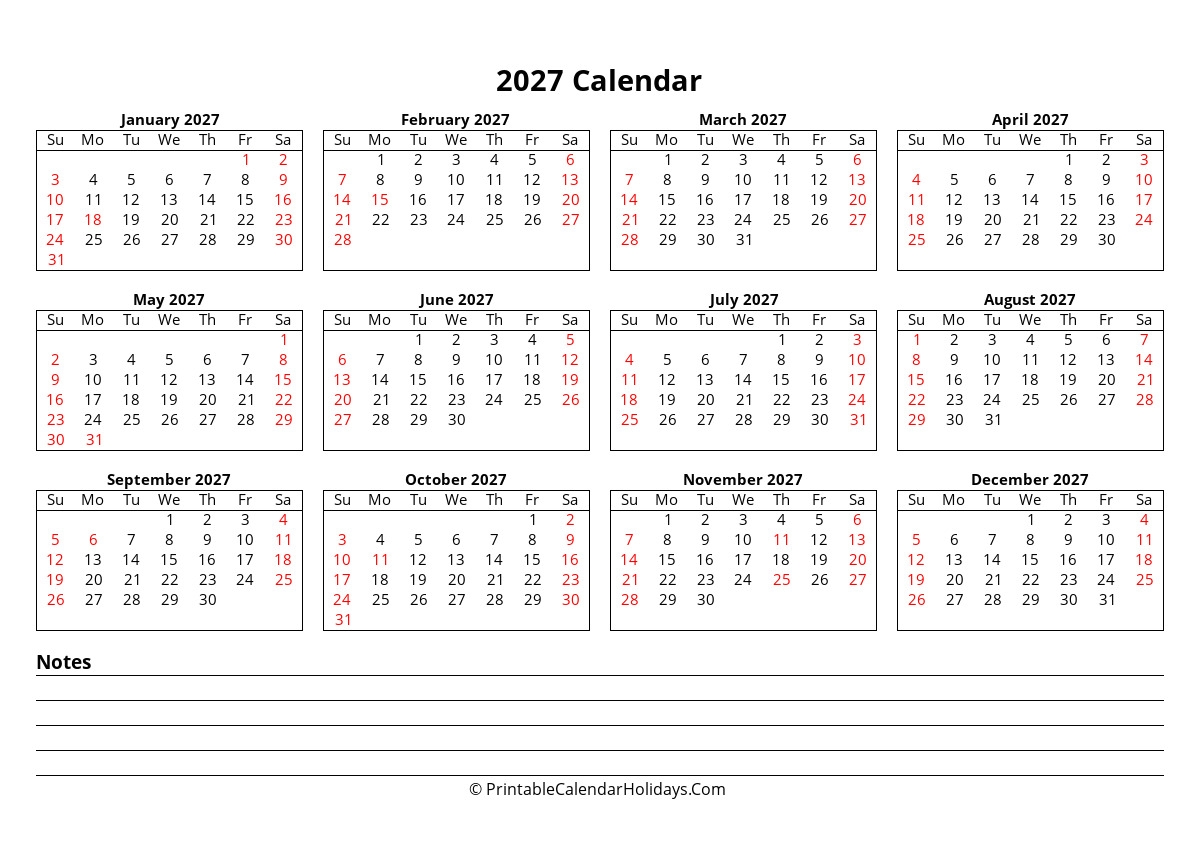
Free Printable 2027 Calendar With Week Numbers - Free Printable Calendar
Source: calendar.weloveprintables.net
How This Week Shapes Real-World Schedules and Goals
I once worked with a marketing director who was baffled why their January 1st campaign report didn’t align with their European partners. Turns out, their partners were already in Week 1, while the US team was still calling it pre-week 1.
This confusion cost them a week’s worth of data syncing and a pile of frustrated emails. The moral? Understand the calendar week definitions before locking in deadlines or launching initiatives.
Practical Tips for Navigating Week 1 in 2027
- Check your calendar’s week numbering system: Don’t assume all calendars agree.
- Plan meetings around shared week definitions: It saves headaches and missed deadlines.
- Use Week 1 as a soft launch window: Start smaller tasks before full-scale projects begin.

Frequently Asked Questions
Why does ISO 8601 define Week 1 differently?
The ISO 8601 standard aims for consistency, making sure the first week has the majority of its days in the new year. This avoids partial weeks confusing annual reports and planning.
Can Week 1 start before January 1st?
Yes, sometimes Week 1 includes days from the previous December if the week contains the year's first Thursday. But in 2027, Week 1 starts after January 1st.
How does this impact business quarters?
Since Week 1 starts January 4th, Q1’s weekly breakdown shifts slightly. Businesses should adjust their weekly or monthly targets accordingly.
Is this the same worldwide?
Nope. Some countries, like the US, use the simpler method where January 1st is always in Week 1, regardless of the day of the week.
So, next time you glance at your 2027 calendar, you’ll know Week 1 isn’t just a label. It’s a scheduling powerhouse that can make or break your plans.
0 Response to "Navigating the First Calendar Week of 2027: A Practical Overview for Planners and Pros"
Post a Comment