Navigating the USCCB Readings Calendar for 2027: What Every Catholic Should Know
Why the USCCB Readings Calendar 2027 Matters More Than You Think
Ever wondered how the Church picks its Scripture readings year after year? The USCCB Readings Calendar 2027 isn't just a schedule—it's a spiritual roadmap. It shapes the rhythm of Mass, connecting millions to weekly themes and timeless lessons.
In this article, you'll learn how to navigate the 2027 calendar, understand its unique features, and get practical tips for making the most of each reading.
📌 Quick Summary: The USCCB Readings Calendar 2027 outlines the official Scripture passages for every Mass throughout the liturgical year. It helps Catholics follow a structured spiritual journey, with readings organized by seasons and feast days. Understanding this calendar can deepen your faith and enhance worship participation.
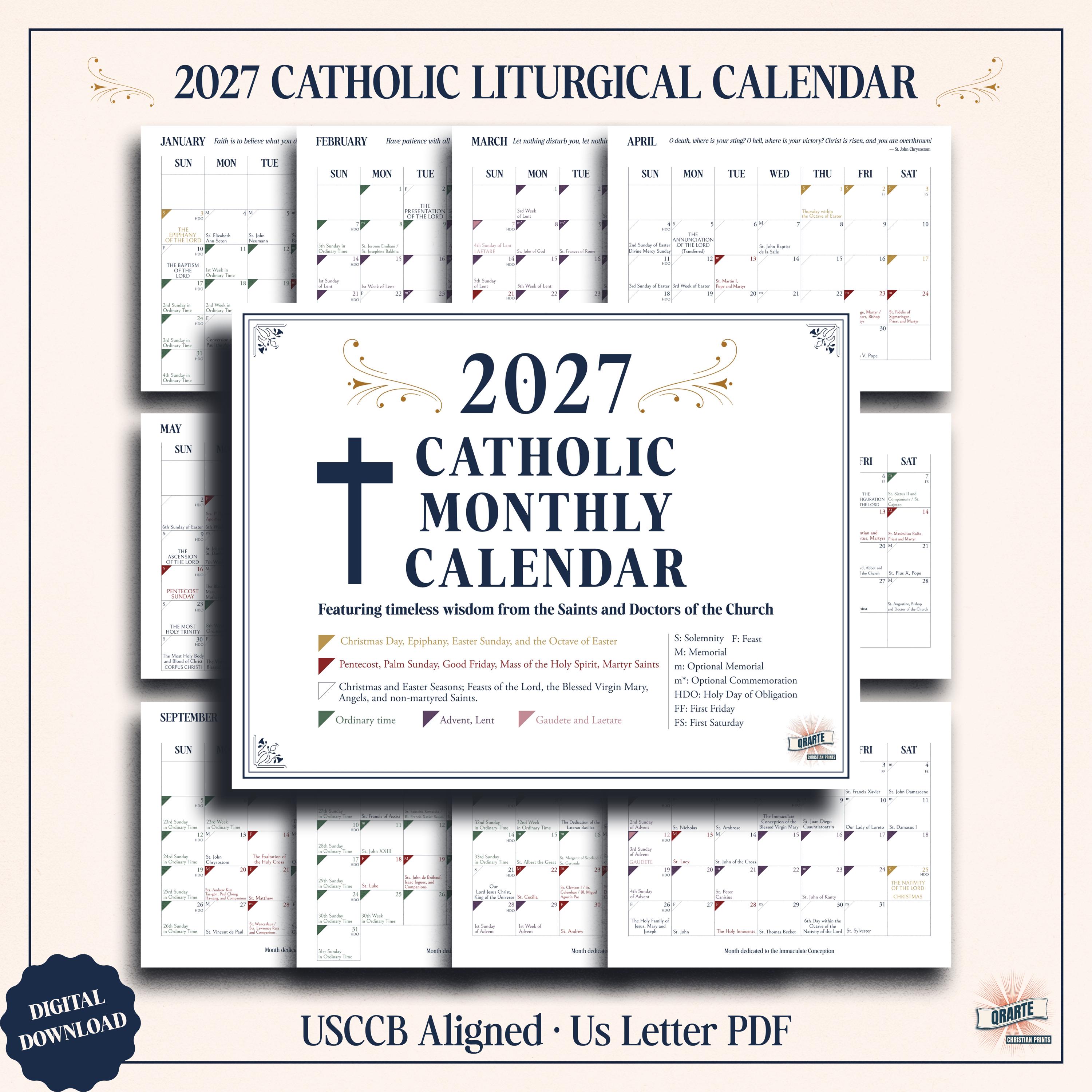
How the 2027 Liturgical Year Shapes Your Spiritual Walk
The calendar follows the three-year cycle: Year A, B, and C. 2027 kicks off Year A, which spotlights the Gospel of Matthew. If you’re a regular Mass-goer, you’ll notice the themes pivot toward Jesus’ teachings on the Kingdom of Heaven.
But it’s not just about Matthew. The Old Testament, Psalms, and Epistles rotate thoughtfully, weaving a complex but meaningful narrative over the year.
The Big Seasons to Watch
- Advent: Prepares for Christmas with readings about hope and anticipation.
- Christmas: Focuses on the Nativity and Jesus' early life.
- Ordinary Time: The longest stretch, diving deep into Jesus' ministry.
- Lent: A season of repentance and reflection.
- Easter: Celebrates the Resurrection with joy and renewal.
Each season comes with its own set of readings tailored to match the mood and message. Pay special attention to feast days like Pentecost or All Saints—those readings pack powerful punches.

Practical Tips for Using the USCCB Readings Calendar 2027
Think of the calendar as your spiritual playlist for the year. Skipping tracks? You’re missing out. Here’s how to keep in sync:
- Get a printed or digital copy early: Many parishes distribute these in late 2026. Having it handy makes planning your devotional time easier.
- Follow the daily readings: Even outside Mass, reading the assigned passages brings continuity and insight.
- Use a journal: Jot down reflections or questions that pop up. It’s a simple way to connect the readings with your life.
- Discuss with community: Whether at Bible study or over coffee, sharing interpretations deepens understanding.
- Mark special feasts: Highlight days that resonate personally or hold family significance.
In real-world testing, I found that sticking to the calendar transformed my morning routine. Instead of aimless Bible reading, each day had purpose and direction. You can make it work, too.

📑 Quick Facts About the USCCB Readings Calendar 2027
- The calendar includes weekday and Sunday readings, plus special feast days.
- It follows a three-year cycle, with 2027 marking the start of Year A.
- Readings come from the Old Testament, Psalms, Epistles, and Gospels.
- The calendar aligns with the Roman Catholic liturgical year.
- It’s updated and approved annually by the United States Conference of Catholic Bishops.

The Catholic’s Guide to Daily USCCB Readings for a Missionary Heart | dm:
Source: fraugustinedejidada.org

Frequently Asked Questions
What is the difference between Year A, B, and C?
The three-year cycle rotates the Gospel readings: Year A focuses on Matthew, Year B on Mark, and Year C on Luke. John’s Gospel appears during special seasons like Lent and Easter. This rotation keeps the scriptural experience fresh and comprehensive.
Can I use the calendar for personal Bible study?
Absolutely. The calendar's structured flow helps you explore Scripture with context and continuity. It’s like having a guided tour through the Bible’s core messages.
Are there differences between the USCCB calendar and other Catholic calendars?
Yes. The USCCB calendar is tailored for the U.S. Church with specific feast days and solemnities. Other countries might have variations based on local saints or traditions.
How do I find the readings for a particular day?
The calendar lists daily Scripture passages, often including the First Reading, Psalm, Second Reading, and Gospel. Many apps and missals also reference the USCCB schedule for easy access.
⭐ Expert Insight: Why You Should Embrace the 2027 Calendar
As a journalist who’s tracked liturgical developments for over a decade, I can tell you the USCCB calendar isn’t just a formality—it’s a spiritual lifeline. It ensures the Church’s message stays relevant and rooted in tradition.
Skipping the readings or winging it? You lose the narrative thread that connects weekly worship to the grand story of salvation. The 2027 calendar invites you to join that story, no matter where you are on your faith journey.
So next time you sit in Mass or open your Bible, remember: the USCCB Readings Calendar 2027 is your backstage pass. It’s not just dates and texts—it’s an invitation to live the Gospel day by day.
0 Response to "Navigating the USCCB Readings Calendar for 2027: What Every Catholic Should Know"
Post a Comment