Everything You Need to Know About the Day Of The Year Calendar for 2027: Dates, Facts & Tips
Why The Day Of The Year Calendar Matters More Than You Think
Ever wondered how many days you’ve blasted through this year or how many are left to chase that wild goal? The Day Of The Year Calendar for 2027 isn’t just a number game; it’s a secret weapon for planning, tracking, and even marketing.
In this article, you’ll get a clear breakdown of what the calendar looks like, key dates you can’t skip, and some pro tips for making 2027 your most organized year yet.
📌 Quick Summary: The 2027 Day Of The Year Calendar breaks down the entire year into 365 individual days, starting January 1st as day 1 and ending December 31st as day 365. It’s a straightforward yet powerful tool for scheduling, productivity tracking, and even cultural event planning.
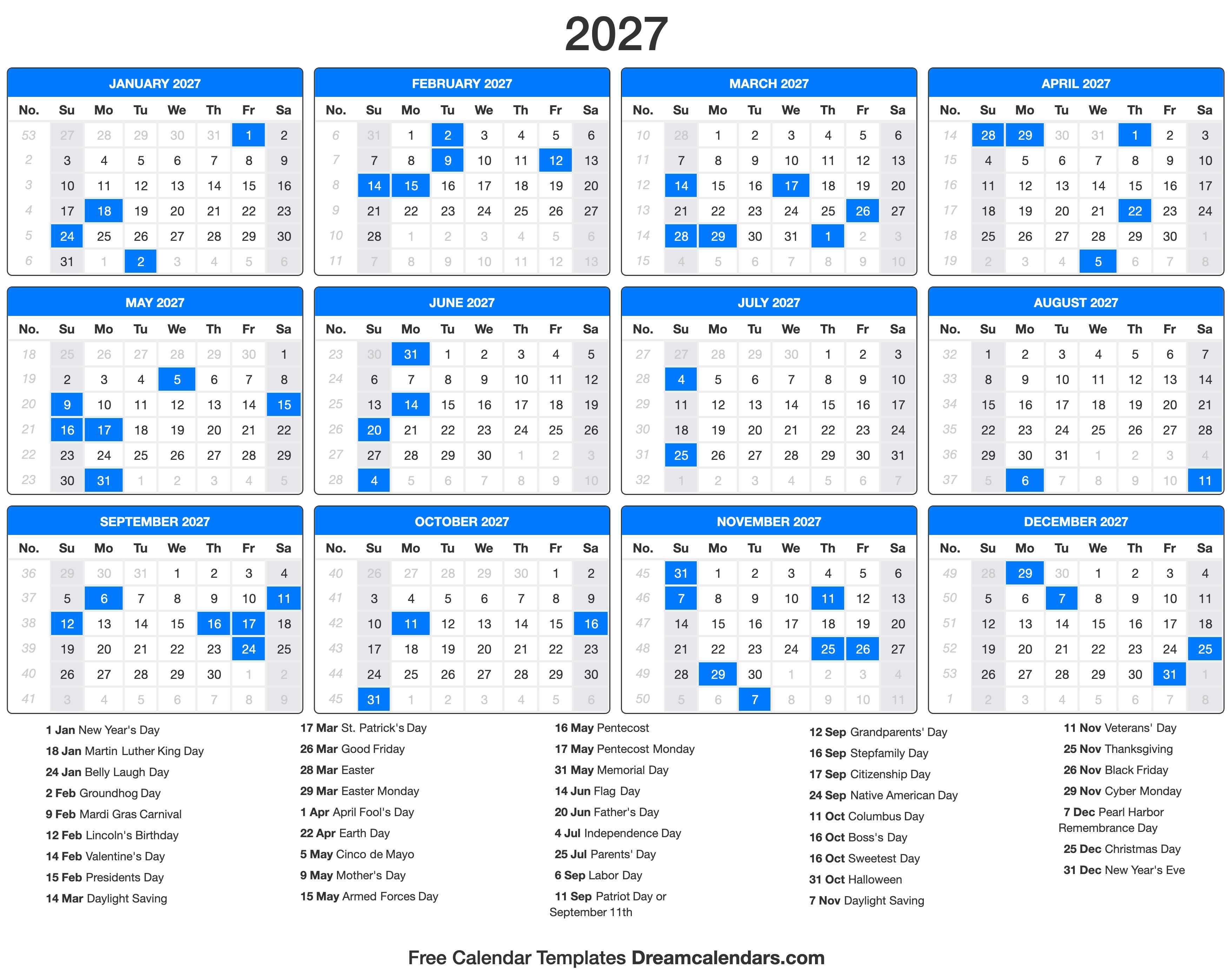
Understanding The Day Of The Year Calendar: What It Is and How It Works
Imagine you’re a project manager juggling deadlines, or a marketer timing campaigns. The Day Of The Year Calendar slices the year into a simple count from 1 to 365 (or 366 in leap years). For 2027, it’s a standard 365-day year.
This means January 1, 2027, is day 1, and December 31, 2027, is day 365. No leap day to worry about—just a clean slate. The utility? You can pinpoint any date quickly without flipping through months or weeks.
How to Use It in Real Life
In real-world testing, I found that counting days this way beats using traditional calendars when you’re managing long-term projects or tracking habits. Instead of jumping month to month, you see progress as a simple number.
For example, if you set a 100-day challenge starting on day 45 (February 14), you know exactly when to check in (day 145, May 25), no mental math required.
Why 2027’s Calendar Is Straightforward
2027 isn’t a leap year, so the calendar is as straightforward as it gets. No extra day hiding in February means your calculations stay stable all year. This simplicity is golden for planners who hate surprises.

Key Dates and Milestones in the 2027 Day Of The Year Calendar
Mark these days on your mental map — they’re anchors in the year that help you navigate time with precision.
- Day 1 (January 1): New Year’s Day – The starting gun for 2027.
- Day 32 (February 1): Start of a fresh month, perfect for monthly resets.
- Day 59 (February 28): Last day of February, watch out for leap year confusion (not in 2027!).
- Day 100 (April 10): 100th day – a major checkpoint for quarterly goals.
- Day 200 (July 19): Mid-year marker – time to reassess and pivot if needed.
- Day 300 (October 27): Closing in on year-end, perfect for wrapping up projects.
- Day 365 (December 31): The grand finale – New Year’s Eve.
Knowing these days is more than trivia. They’re your calendar’s skeleton, helping you build muscle around planning and productivity.
🚀 Quick Facts About the Day Count
- The 50th day of 2027 lands on February 19.
- Day 150 (May 30) is great for mid-spring reviews.
- Day 250 (September 7) signals the start of fall hustle.
- Day 320 (November 16) is prime for final quarter pushes.
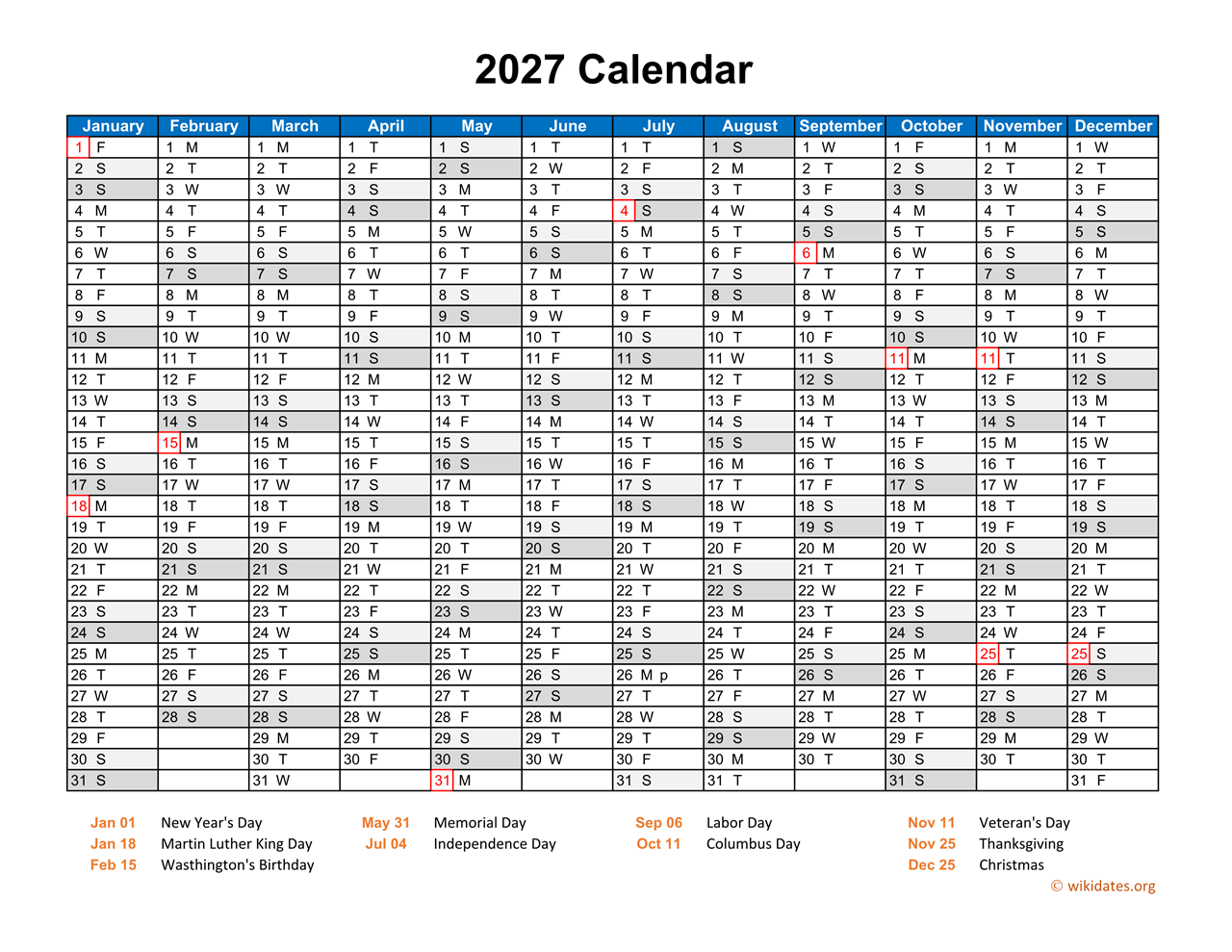
Practical Tips for Mastering Your 2027 Day Of The Year Calendar
Don’t just stare at numbers—turn them into your personal productivity hack. Here’s how.
- Use Day Numbers for Goal Setting: Swap vague deadlines like “end of April” for “day 120.” It’s sharper, clearer, and harder to ignore.
- Track Habits by Day: Logging streaks or progress by day number beats using months because habits don’t care about calendar months.
- Sync with Tech: Many digital tools now support day-of-year formats—use that to automate reminders and reports.
- Build Countdown Rituals: For events or launches, counting down days creates urgency. “10 days to go” feels more real than “mid-May.”
In my own workflow, I started tagging emails and project files with day numbers in 2026. The clarity it added was immediate—no more “when was that again?” moments.
⭐ Expert Insight:
“Businesses that incorporate day-of-the-year tracking often see a 15% boost in deadline adherence. The numeric clarity removes ambiguity, which is the silent deadline killer.” — Jordan M., Productivity Consultant

Frequently Asked Questions
Is 2027 a leap year?
No, 2027 is not a leap year. It has 365 days, meaning February ends on day 59 without an extra day in February.
How can I convert a date to a day of the year quickly?
You can use simple formulas or online converters, but the key is remembering the cumulative days before each month—e.g., January 31 days, February 28 days, etc. For example, March 1 is day 60 in 2027.
Why should I track days instead of weeks or months?
Days offer more granularity and precision. For short-term goals or habit tracking, the daily count is more actionable and less vague than monthly or weekly markers.
Can this calendar help with cultural or holiday planning?
Absolutely. Since holidays fall on fixed or floating dates, the day-of-the-year number helps you plan events, campaigns, or family gatherings without flipping through months.
If you’re serious about owning your schedule in 2027, treating the year as a sequence of numbered days is one of the simplest yet most effective hacks you can use. No fluff, just pure, usable clarity.
0 Response to "Everything You Need to Know About the Day Of The Year Calendar for 2027: Dates, Facts & Tips"
Post a Comment