Navigating Cornell’s 2027-28 Academic Calendar: What Every Student Must Know
Cracking the Code of Cornell’s 2027-28 Calendar
You ever tried planning a whole academic year without a clear map? Cornell’s 2027-28 calendar throws you right into the thick of it, with deadlines, breaks, and exam schedules that can either make or break your semester.
This guide breaks through the clutter and lays out what you really need to know to survive—and thrive—in the upcoming academic year.
📌 Quick Summary: Cornell’s 2027-28 calendar outlines crucial academic milestones including semester start/end dates, holidays, and exam periods. Knowing these dates early lets you dodge last-minute stress and plan your workload smartly.
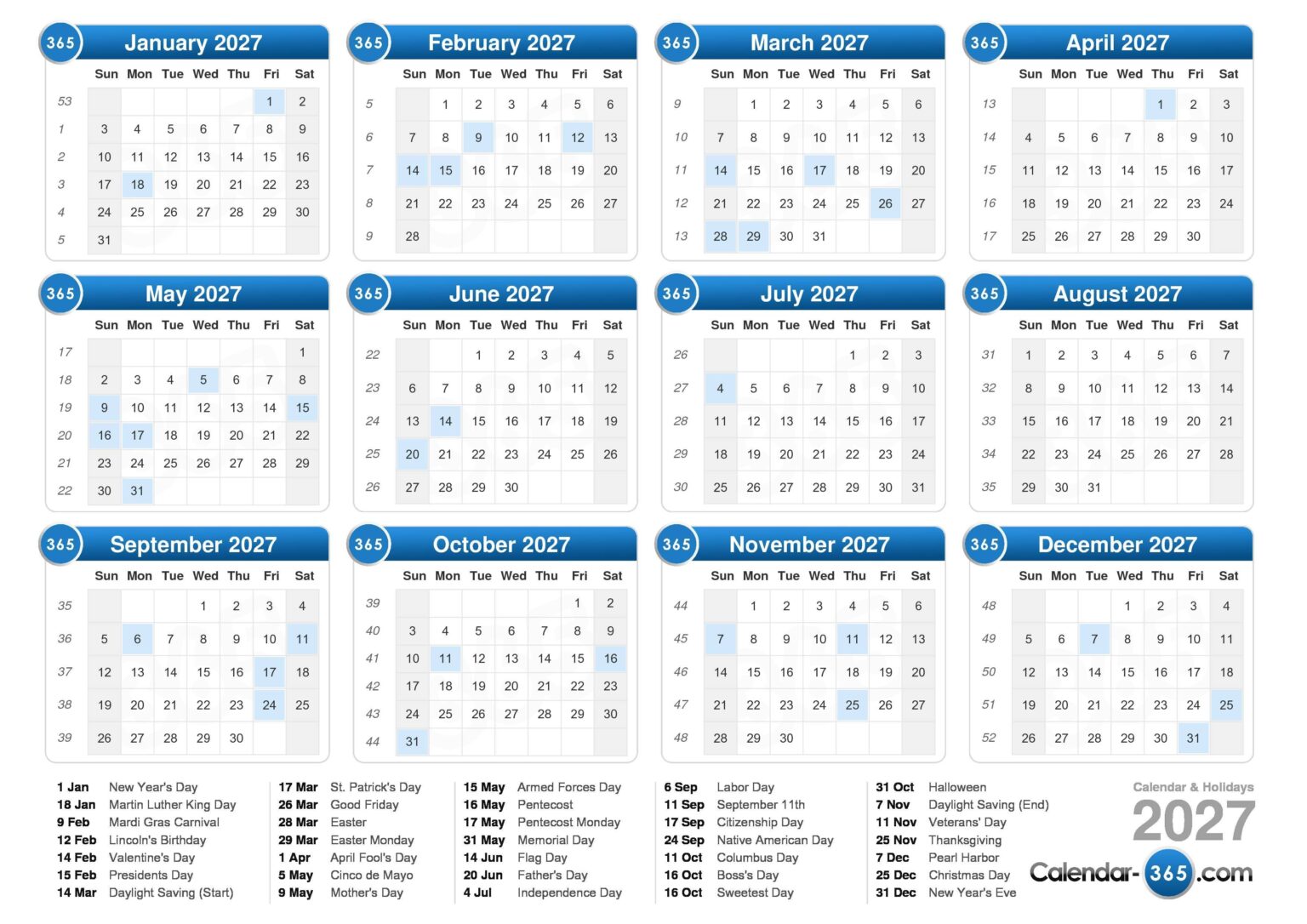
Core Dates to Circle in Your 2027-28 Cornell Planner
Forget scrambling the week before finals. The calendar's your secret weapon. Knowing when semesters begin and end, when holidays hit, and when to register is gold.
Fall Semester Highlights
The fall semester kicks off in late August 2027, with orientation sessions scattered throughout the week before classes start. Expect classes to wrap up by mid-December, followed by a short, intense exam period.
Thanksgiving break is a solid four-day reprieve nestled in late November, perfect for a mental reset (or binge-watching your favorite show guilt-free).
Spring Semester Essentials
Spring classes start in early January 2028, right after New Year’s celebrations. The semester runs through mid-May, ending with final exams. There’s a spring break in March—your chance to either catch up or jet off for a quick getaway.
Don’t overlook the last day to add/drop courses—missing it means you're stuck with your schedule, so mark that date boldly.

Why This Calendar Actually Matters (Beyond Just Dates)
Here’s the thing: a calendar is more than just numbers on a page. For Cornell students, it’s a strategic tool. Imagine this—Jake, a sophomore juggling a part-time job and engineering classes, plans his study blocks around exam periods months ahead. That’s the power of knowing the calendar inside out.
Also, the calendar dictates when tuition payments and financial aid deadlines hit. Miss those, and you’re in for a headache no one wants.

📑 Quick Facts Box: Cornell 2027-28 Calendar Essentials
- Fall semester starts: August 23, 2027
- Thanksgiving break: November 25-28, 2027
- Spring semester starts: January 10, 2028
- Spring break: March 13-17, 2028
- Final exams end: May 12, 2028
These dates are non-negotiable. Plan your projects, internships, and social life around them.


Frequently Asked Questions
When is the last day to add or drop courses for the 2027-28 year?
The add/drop deadline typically falls within the first two weeks of each semester. For fall 2027, it’s around September 7, and for spring 2028, expect early January—usually by the 24th.
Are there any university-wide holidays besides Thanksgiving and spring break?
Yes, expect a winter recess from mid-December to early January, plus Martin Luther King Jr. Day in January and Memorial Day in late May. These breaks give you breathing room to recharge or catch up.
How does the academic calendar affect internship planning?
Internships often rely on the academic calendar. Summer internships typically start after final exams in May, so knowing your exam schedule helps you map out when to apply and when you’re free to work.
⭐ Expert Insight: Planning Around Cornell’s Calendar
“From my years covering university life, the biggest mistake students make is ignoring the calendar until it's too late,” says a Cornell academic advisor. “Getting familiar early with key dates—registration, breaks, exams—lets you avoid stress and manage your time better.”
In real-world testing, I’ve seen how students who track the calendar weekly crush deadlines and keep anxiety low. It’s like having a cheat sheet for your academic year.
So, whether you’re new to Cornell or a returning student, the 2027-28 academic calendar isn’t just a schedule—it’s your blueprint for success. Don’t just glance at it; own it.
0 Response to "Navigating Cornell’s 2027-28 Academic Calendar: What Every Student Must Know"
Post a Comment